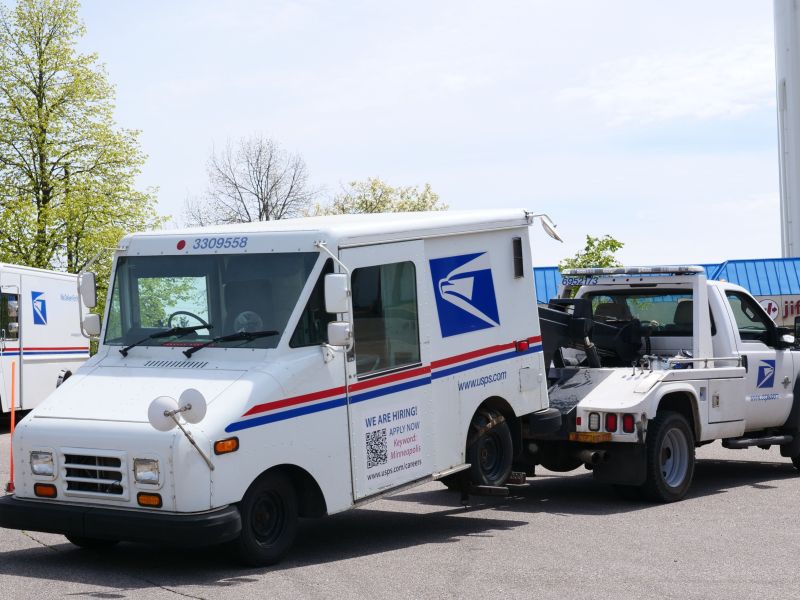
When a vehicle breaks down, is involved in an accident, or is illegally parked, it usually doesn’t stay there for long.
A towing business is what makes that possible.
Towing companies provide roadside recovery and vehicle transport services using specialised tow trucks. They work with everyday motorists, police, insurance companies, repair shops, and roadside assistance providers to move disabled or unwanted vehicles safely from one location to another.
At first glance, it looks like a simple service: show up, hook up a car, and drive it somewhere else. In reality, towing is a fast-response logistics business operating under pressure, often in difficult environments like highways, accident scenes, and extreme weather.
It is also one of the few transport businesses where urgency is a core part of the value proposition—customers are rarely calling you because they planned ahead.
For operators who can handle unpredictability and emergency situations, towing can be a steady, contract-driven business with strong demand and recurring work.
How Much Can a Towing Business Make?
Revenue depends heavily on location, contracts, and service type.
A small owner-operator towing business may earn between $60,000 and $180,000 per year.
A small fleet can generate several hundred thousand dollars annually.
Larger towing companies with insurance contracts, police rotations, and multiple trucks can generate millions per year.
Common services include:
- Accident recovery towing
- Roadside breakdown towing
- Insurance claim towing
- Police or council rotation towing
- Vehicle relocation
- Impounded vehicle transport
- Long-distance vehicle transport
- Heavy vehicle towing (trucks, buses, machinery)
- Roadside assistance services (battery, tyre changes, fuel delivery)
Main Costs
Startup costs typically include:
- Tow truck purchase or lease
- Winches, hooks, and recovery equipment
- Licensing and accreditation
- Insurance (very significant in this industry)
- GPS tracking and dispatch systems
- Branding and signage
- Storage yard (if required)
Ongoing costs include:
- Fuel
- Vehicle maintenance and repairs
- Insurance premiums
- Labour (if hiring drivers)
- Storage yard fees
- Licensing renewals
- Dispatch and communication systems
Insurance and equipment maintenance are often the largest ongoing costs.
How Risky Is This Business?
Overall Risk Rating: High
Towing is consistently in demand, but it carries operational, legal, and safety risks.
Main Risks
1. Roadside Safety Risk
Tow operators often work on busy roads, highways, and accident scenes.
Exposure to traffic is one of the most serious risks.
2. Legal and Compliance Risk
Towing is heavily regulated in many regions, especially accident towing and impound services.
Improper procedures can lead to fines or loss of licence.
3. Reputation Risk
Customers are often stressed or upset when their vehicle is towed.
Complaints and disputes are common in the industry.
4. Insurance Costs
Insurance for tow trucks and recovered vehicles can be expensive and strict.
5. Irregular Work Flow
Demand can spike during accidents or weather events but be quieter at other times.
6. Equipment Breakdowns
A tow truck out of service can immediately reduce revenue capacity.
Is It Enjoyable?
This is a high-intensity, field-based business.
You may enjoy it if you:
- Like hands-on, active work
- Enjoy driving and vehicle recovery
- Can handle emergency situations
- Prefer unpredictable, fast-paced environments
- Like helping people in stressful situations
Many operators find satisfaction in rescuing stranded motorists and solving urgent problems.
However, the job can also be stressful:
- Long and irregular hours
- Night call-outs
- Dangerous roadside conditions
- Difficult customer interactions
- Weather exposure
As the business grows, owners often shift toward dispatching, contracts, and fleet management rather than driving every call.
How to Start a Towing Business
Step 1: Choose Your Towing Niche
Different segments include:
Breakdown Towing
General roadside assistance and vehicle recovery.
Accident Towing
Insurance and emergency crash recovery work.
Contract/Police Rotation Towing
Work assigned through official rotations or contracts.
Long-Distance Transport
Moving vehicles between cities or states.
Heavy Towing
Recovery of trucks, buses, and machinery (higher revenue, higher cost).
Specialisation can significantly affect profitability and regulatory requirements.
Step 2: Acquire the Right Tow Trucks
Common options include:
- Flatbed (tilt tray) trucks – safest and most versatile
- Wheel-lift tow trucks – common for quick urban recovery
- Heavy-duty tow trucks – for large vehicles and machinery
Choosing the right truck depends on your target market and local regulations.
Step 3: Obtain Licences and Permits
Towing is often tightly regulated.
Requirements may include:
- Commercial driving licences
- Tow operator accreditation
- Accident towing permits (in some regions)
- Vehicle storage permits (if operating a yard)
- Insurance approvals
Regulations vary significantly by location.
Step 4: Secure Insurance Coverage
Essential insurance types include:
- Tow truck insurance
- Public liability insurance
- On-hook (vehicle-in-transit) insurance
- Storage yard insurance (if applicable)
Insurance costs can be a major barrier for new entrants.
Step 5: Establish Dispatch and Call Systems
Towing is a response-based business, so communication is critical.
Systems may include:
- 24/7 call answering service
- GPS dispatch tracking
- Mobile job management apps
- Driver communication systems
Speed of response is a major competitive advantage.
Step 6: Build Contracts and Referral Networks
Most stable towing businesses rely on contracts with:
- Insurance companies
- Police or council rotations
- Roadside assistance providers
- Repair workshops
- Car dealerships
- Fleet operators
These contracts provide consistent work and reduce reliance on unpredictable calls.
Step 7: Set Up a Storage Yard (If Required)
Many towing businesses operate vehicle storage yards.
This can generate additional revenue but adds:
- Security requirements
- Legal responsibilities
- Storage fees and regulations
- Customer dispute risks
Not all operators choose to offer storage.
Regulations and Legal Considerations
Towing businesses are regulated due to safety and consumer protection concerns.
Common requirements include:
- Licensing and accreditation
- Accident scene conduct rules
- Vehicle impound regulations
- Consumer protection laws
- Workplace health and safety compliance
- Road safety laws
- Environmental regulations (fluids, vehicle handling)
Some regions strictly control accident towing rotations to prevent unfair practices.
Interesting Things Most People Don’t Realise
Most Tow Jobs Are Contract-Based
The most stable income often comes from insurance, police, and roadside assistance contracts—not random calls.
Speed Matters More Than Distance
Being the first responder to a call often determines who gets the job.
Accident Scenes Are Highly Regulated
There are strict rules about who can attend and what they can do.
Storage Yards Can Become a Major Profit Centre
Some businesses earn significant income from storage fees and admin charges.
Weather Events Can Create Huge Demand Spikes
Storms, floods, and icy conditions can dramatically increase call volume.
Emotional Intelligence Matters
Customers are often stressed, upset, or angry. Communication skills are critical.
Idle Trucks Still Cost Money
A tow truck only earns when it is active—downtime directly reduces revenue.
Competition Can Be Intense in Cities
Urban areas often have established rotation systems or strong incumbents.
Heavy Towing Is a Different Business Entirely
It requires specialised equipment and can be significantly more profitable per job.
Reputation with Insurers Is Everything
Insurance companies often decide who receives steady work.
Conclusion
A towing business is a high-demand, service-critical industry that plays an essential role in road transport and emergency response. It offers consistent work potential, especially when supported by insurance contracts, roadside assistance agreements, or police rotations.
However, it is also a highly regulated, high-pressure business that requires fast response times, strong safety awareness, and reliable equipment. Costs such as insurance, fuel, and compliance can be significant, and competition in many regions is strong.
The most successful towing businesses combine rapid response capability with strong contract relationships and efficient dispatch systems. Those who rely solely on ad-hoc jobs often struggle compared to operators with steady institutional clients.
For entrepreneurs who can handle unpredictability, emergency situations, and operational pressure, a towing business can be a resilient and scalable transport service with long-term demand.
A towing business is generally a steady but operationally demanding transport service with strong baseline demand. The biggest success factor is not driving skill, but speed, reliability, and contract access. Businesses that secure insurance panels, roadside assistance contracts, or rotation work tend to outperform those relying purely on ad-hoc breakdown calls.