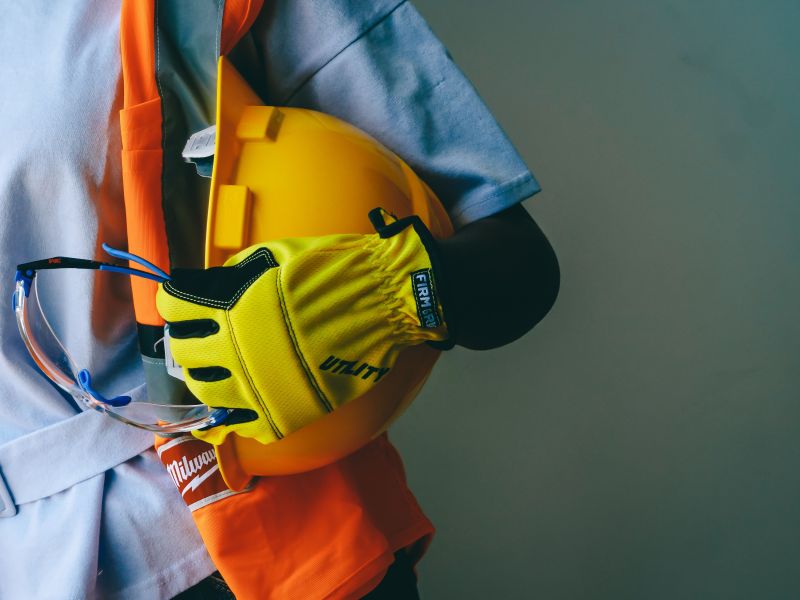
Every workplace carries risk. Construction sites, factories, warehouses, hospitals, mining operations, logistics hubs, and even offices must manage hazards such as equipment accidents, chemical exposure, repetitive strain injuries, fire risks, and psychological stress.
An Occupational Health and Safety (OHS) services business helps organisations identify workplace risks and implement systems to prevent injury and illness. This includes safety audits, risk assessments, compliance training, policy development, incident investigations, and ongoing safety management support.
The business exists because most countries legally require employers to provide safe working environments. This creates a consistent baseline demand regardless of economic conditions.
OHS services sit at the intersection of compliance, consulting, and operational risk management, making it both highly practical and highly responsibility-driven.
How Much Can an OHS Services Business Make?
Revenue typically comes from professional service fees and ongoing contracts.
Common income streams include:
- Workplace safety audits and inspections
- Risk assessments and hazard identification reports
- Safety policy and procedure development
- Employee safety training programs
- Incident investigation services
- Ongoing retained safety advisory services
- Site safety officer outsourcing
- Compliance certification preparation
- Industry-specific safety consulting (construction, mining, healthcare)
Many businesses operate on:
- Fixed project fees for audits and reports
- Daily or hourly consulting rates
- Monthly retainers for ongoing safety support
Larger OHS firms often secure long-term contracts with construction companies, manufacturers, and industrial operators, creating predictable recurring revenue.
Profitability increases significantly when services are systemised and delivered across multiple clients using standard frameworks.
Main Costs
Skilled Professionals
The core cost is qualified safety professionals, such as:
- Occupational health and safety officers
- Risk assessors
- Compliance consultants
- Trainers and auditors
Experience and certifications significantly affect cost levels.
Certification and Training Requirements
Depending on jurisdiction, OHS professionals may require:
- Workplace safety qualifications
- Industry-specific certifications (construction, mining, etc.)
- Ongoing professional development
Insurance
Due to liability exposure, insurance is essential:
- Professional indemnity insurance
- Public liability insurance
- Workers’ compensation coverage
Tools and Systems
OHS businesses rely on:
- Risk assessment software
- Incident reporting systems
- Compliance tracking platforms
- Training delivery systems (in-person and digital)
Travel and Site Visits
Many services require on-site inspections:
- Transportation to client sites
- Safety equipment (PPE)
- Remote or industrial site access costs
Marketing and Business Development
Common client acquisition channels include:
- Industry networking
- Partnerships with construction and engineering firms
- Government or tender contracts
- Referrals from legal and insurance professionals
How Risky Is This Business?
Overall Risk Level: Medium to High
The business is stable in demand but carries significant liability risk.
Liability Risk
Incorrect safety advice or failure to identify hazards can result in:
- Workplace injuries or fatalities
- Legal claims against the business
- Regulatory penalties
- Contract termination
Regulatory Risk
OHS is heavily regulated in most countries, including:
- Workplace safety legislation
- Industry-specific compliance standards
- Reporting and documentation obligations
Reputation Risk
Trust is critical. Companies will not hire safety consultants with poor track records.
Client Dependency Risk
Some OHS businesses rely heavily on a small number of large industrial clients.
Economic Cycle Risk
Demand can fluctuate in industries like construction or manufacturing during downturns.
Is It Enjoyable?
Many OHS professionals find the work meaningful because it directly improves worker safety and reduces harm.
Positive aspects include:
- Making workplaces safer and preventing injuries
- Clear regulatory demand for services
- Structured, process-driven work
- Long-term client relationships
- Work across diverse industries
Challenges include:
- High responsibility and liability exposure
- Strict documentation and compliance requirements
- Exposure to hazardous environments during inspections
- Convincing clients to adopt safety improvements
- Administrative workload
It suits people who are detail-oriented, practical, and comfortable working in regulated environments.
How to Start an OHS Services Business
Step 1: Obtain Required Qualifications
Most jurisdictions require or strongly prefer:
- Occupational health and safety certifications or degrees
- Industry-specific safety training
- Risk assessment qualifications
- First aid and emergency response training (often required on-site)
Step 2: Gain Industry Experience
Most successful OHS consultants come from:
- Construction safety roles
- Industrial or manufacturing environments
- Mining or logistics operations
- Government safety inspector roles
Experience is critical for credibility.
Step 3: Choose a Service Specialisation
Common niches include:
- Construction site safety
- Industrial and manufacturing safety
- Mining safety compliance
- Corporate office safety programs
- Fire and emergency safety systems
- Workplace mental health and wellbeing programs
Specialisation improves expertise and market positioning.
Step 4: Set Up Business Structure and Insurance
This includes:
- Business registration
- Professional indemnity insurance
- Liability coverage
- Contract templates defining responsibility limits
Step 5: Develop Safety Systems and Frameworks
To scale effectively, create repeatable systems such as:
- Risk assessment templates
- Audit checklists
- Incident reporting frameworks
- Training modules
Step 6: Build Client Acquisition Channels
Common sources of clients include:
- Construction and engineering firms
- Manufacturing companies
- Government and public sector contracts
- Insurance and legal referrals
- Industry associations
Step 7: Deliver On-Site and Advisory Services
Core service delivery includes:
- Workplace inspections
- Safety audits
- Employee training sessions
- Compliance documentation
- Incident investigations
Step 8: Scale Through Contracts and Standardisation
Growth strategies include:
- Retainer-based safety management contracts
- Hiring junior safety consultants
- Expanding into multiple industries
- Offering digital compliance tools and training
Regulations and Legal Considerations
OHS services operate within strict legal frameworks, including:
- Workplace health and safety legislation
- Industry-specific compliance codes
- Mandatory reporting requirements for incidents
- Duty-of-care obligations
- Professional indemnity requirements
- Data and incident record confidentiality rules
In many cases, safety professionals may also be required to align with government regulatory bodies or industry accreditation systems.
Interesting Things Most People Don’t Realise
Demand Is Driven by Law, Not Marketing
Businesses often hire OHS consultants because they are legally required to meet compliance standards.
Paperwork Is as Important as Fieldwork
Documentation is often what proves compliance during audits or legal disputes.
High-Risk Industries Drive Most Revenue
Mining, construction, and manufacturing are major clients due to strict safety requirements.
Prevention Is Harder Than Enforcement
Convincing businesses to change behaviour is often more difficult than identifying risks.
Insurance Companies Influence Demand
Insurers often require safety systems before providing coverage or reducing premiums.
Repeat Clients Are Common
Many companies retain OHS consultants long-term for ongoing compliance.
Serious Incidents Can Rapidly Increase Demand
After workplace accidents, companies often urgently invest in safety systems.
Conclusion
An Occupational Health and Safety services business is a highly practical, regulation-driven professional service with steady demand across nearly all industries. It offers strong recurring revenue potential, especially when operating on retainer-based safety contracts.
However, it also carries serious responsibility and liability exposure. Success depends on technical knowledge, credibility, attention to detail, and the ability to implement practical safety systems in real workplaces.
For individuals with hands-on industry experience and a strong understanding of risk management, OHS services can become a stable, respected, and scalable business that plays an essential role in protecting workers and ensuring legal compliance.
An OHS services business is a steady, regulation-driven service model with strong recurring demand. It rewards practical experience, systems thinking, and credibility. While not typically a “fast-growth” business, it can become highly stable and profitable once trusted by industrial and commercial clients.