Choosing a career is the one of biggest decision that anyone will ever make. It will require years of study and it is critically important that it be long lasting and will pay your bills and provide for your retirement. Here are the top careers that have stood the test of time.
1. Nurse
Nursing
Nursing is one of the most consistently in-demand careers worldwide.
Why it’s safe:
- Hospitals and aged care facilities always need staff
- Aging populations increase demand
- Cannot be automated or outsourced easily
Things to be aware of:
- Physically and emotionally demanding
- Shift work (nights, weekends, holidays)
- Burnout risk is high in understaffed systems
2. Electrician
Electrician
Electricians are essential for homes, businesses, and infrastructure.
Why it’s safe:
- Constant construction and maintenance demand
- Critical infrastructure role
- Strong shortage in many countries
Things to be aware of:
- Requires apprenticeship and licensing
- Physical risk (working with high voltage)
- Work can be weather- and project-dependent early on
3. Plumber
Plumbing
Plumbing is one of the most recession-resistant trades.
Why it’s safe:
- Water systems always need maintenance
- Emergency repairs are unavoidable
- Strong long-term demand in housing
Things to be aware of:
- Dirty and physically demanding work
- Emergency call-outs can disrupt lifestyle
- Business ownership often needed for highest earnings
4. Firefighter
Firefighting
A public safety role with very stable employment in most regions.
Why it’s safe:
- Government-funded service
- Always required in cities and regional areas
- Limited automation potential
Things to be aware of:
- High physical risk
- Intense training requirements
- Irregular shifts and sleep disruption
5. Police Officer
Policing
Law enforcement remains a core government function.
Why it’s safe:
- Structural need in all societies
- Stable public funding in most countries
- Wide range of roles and specialisations
Things to be aware of:
- Stressful and sometimes dangerous
- Public scrutiny and legal accountability
- Emotional toll from exposure to conflict
6. Teacher
Teaching
Education systems require constant staffing.
Why it’s safe:
- Always demand for schooling
- Government-backed employment in many countries
- Recession-resistant compared to private sector jobs
Things to be aware of:
- Pay can be lower than workload suggests
- Administrative workload is often heavy
- Classroom behaviour challenges vary widely
7. Truck Driver / Transport Worker
Truck Driving
Transport keeps economies functioning.
Why it’s safe:
- Goods must always move
- E-commerce increases demand
- Skilled long-haul drivers often in shortage
Things to be aware of:
- Long hours and time away from home
- Automation risk exists long-term (but slower than expected)
- Physical fatigue and road safety risks
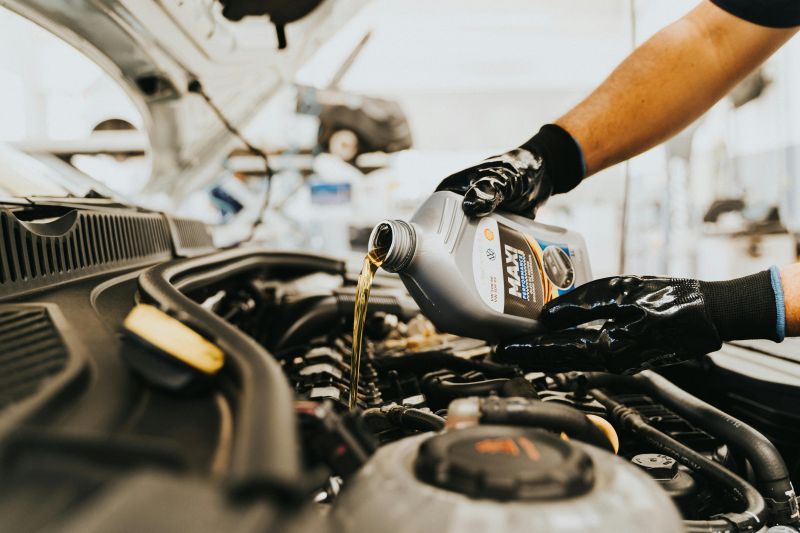
8. Mechanic
Automotive Mechanic
Vehicles still require human repair despite increasing complexity.
Why it’s safe:
- Cars and machines constantly break down
- EV transition still requires technicians
- Independent workshops remain strong
Things to be aware of:
- Requires continuous learning (especially EV systems)
- Physically demanding
- Diagnostic skills become more important than manual labour
9. Accountant
Accounting
Businesses and individuals always need financial management.
Why it’s safe:
- Required for tax, compliance, and reporting
- Stable demand across all industries
- Can work across private, public, or self-employed sectors
Things to be aware of:
- Entry-level tasks increasingly automated
- Requires attention to detail and regulation changes
- Busy seasonal periods (tax time)
10. IT / Cybersecurity Specialist
Cybersecurity
One of the fastest-growing and most future-proof career areas.
Why it’s safe:
- Cyber threats are increasing globally
- Every company depends on digital systems
- High skill shortage worldwide
Things to be aware of:
- Requires continuous learning (technology changes fast)
- Entry-level competition can be strong
- Can involve high-pressure incident response work
Key takeaway: what “safe” really means
A truly “safe” career usually has at least one of these features:
- It solves a basic human need (health, safety, infrastructure, food)
- It is hard to automate or outsource
- It requires licensed or hands-on skill development
- It is supported by government or essential industry demand
The safest careers are not always the easiest or highest-paying—but they tend to have one thing in common: society cannot function without them.
At the same time, even the safest jobs come with trade-offs:
- physical strain (trades, emergency services)
- emotional pressure (healthcare, policing, teaching)
- or ongoing learning requirements (IT, accounting, engineering fields)
The most resilient career strategy is often not choosing one perfect job, but building:
- a practical skill (trade or technical skill)
- plus adaptability (communication, problem-solving, digital literacy)