People often ask for “guaranteed jobs,” especially in uncertain economic times. The reality is that no career is truly guaranteed. Industries change, technology evolves, and local economies shift.
However, some careers come much closer than others because they meet essential human needs: housing, health, food, infrastructure, safety, and energy. These roles tend to remain in demand across almost all economic conditions.
This article looks at practical careers that generally offer strong employment potential, including trades, healthcare, technical roles, and essential services.
The key idea: “recession-resistant” jobs
The most stable careers usually share a few traits:
- They are essential to daily life (health, housing, infrastructure)
- They are difficult to automate
- They require hands-on skills or licensing
- They have ongoing demand due to population growth or replacement needs
These jobs may not always be glamorous, but they are often more stable than many “office-based” roles.
1. Skilled trades (high demand, strong security, good income)
Skilled trades are among the most reliable career paths globally. Many countries are experiencing shortages due to aging workforces.
Common trades include:
- Plumber
- Electrician
- Roofer
- Builder / construction worker
- Cabinet maker / carpenter
- Concreter
- Bricklayer
- Welder
- Boilermaker
- Mechanic (including diesel mechanic)
- HVAC technician (heating, ventilation, air conditioning)
- Elevator technician
- Solar panel installer
- Wind turbine technician
Why these careers are strong:
- Constant demand for housing and infrastructure maintenance
- Infrastructure always ages and needs repair
- Often require apprenticeships instead of long university degrees
- Can lead to self-employment and business ownership
Reality check: Work can be physically demanding, weather-dependent, and sometimes inconsistent in the short term—but long-term demand is strong.
2. Healthcare careers (some of the most stable globally)
Healthcare is one of the most recession-resistant sectors because demand does not decline in downturns.
Key roles include:
- Nurse
- Doctor (including general practitioners and specialists)
- Dentist
- Pharmacist
- Veterinarian
- Radiology technician
- Optometrist
- Paramedic
- Occupational therapist
- Speech therapist
- Aged care worker / caregiver
Why healthcare is stable:
- Populations are aging in many countries
- Illness and injury are non-cyclical (always present)
- Governments and private systems must maintain services
Reality check: These roles usually require significant education and licensing, but they offer strong long-term security.
3. Essential services (infrastructure, food, and public safety)
These roles are critical to society functioning normally:
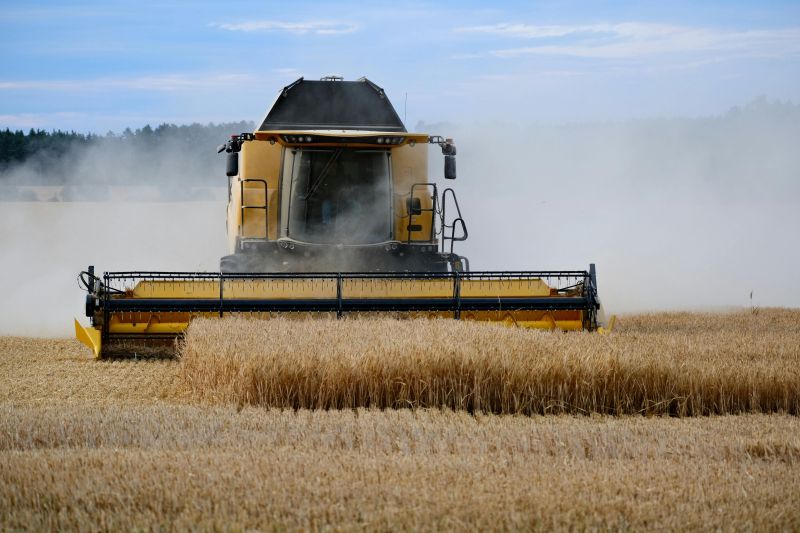
- Farmer / agricultural worker
- Fisherman
- Miner
- Transport worker (truck driver, logistics, delivery)
- Pilot
- Police officer
- Military personnel
- Firefighter
- Water treatment operator
- Waste management worker
Why these jobs are stable:
- Society cannot function without them
- Demand is tied to population needs, not economic cycles
- Often supported by government or essential industry funding
Reality check: Some roles (like mining or fishing) can be cyclical or location-dependent, but they remain essential overall.
4. Education and public sector roles
- Teacher (primary, secondary, vocational)
- Early childhood educator
- University lecturer (more competitive)
Why teaching remains relevant:
- Every society needs education
- Population growth and turnover create ongoing demand
- Government-funded systems provide baseline stability
Reality check: Pay varies widely by country, and workload can be high relative to income in some regions.
5. Finance, business, and professional services
These roles require more education but offer strong career pathways:
- Accountant
- Banker
- Marketing specialist
- Human resources professional
- Supply chain / logistics manager
- Data analyst
- Cybersecurity specialist
- Software developer / IT specialist
Why these roles matter:
- Every business needs financial management
- Digital systems are expanding rapidly
- Cybersecurity demand is growing due to increasing cyber threats
Reality check: These jobs can be more competitive and sensitive to automation, especially entry-level roles, but advanced roles remain strong.
6. Technology careers (rapidly growing field)
- IT specialist
- Software engineer
- Cybersecurity analyst
- Cloud infrastructure engineer
- Data scientist
Why tech remains strong:
- Digital transformation is ongoing across all industries
- Businesses rely heavily on software and data
- Cyber risk is increasing globally
Reality check: Entry-level competition is high, but skilled professionals are in strong demand.
7. Hospitality and retail (high demand, but lower stability)
- Bartender
- Waiter / waitress
- Retail worker
Why these jobs exist:
- Constant consumer demand
- Tourism and leisure industries are large employers globally
Reality check: These roles are widely available but often have:
- Lower pay
- Less job security during economic downturns
- High turnover rates
They are useful entry-level jobs but not typically long-term security careers unless moving into management or ownership.
Other important careers worth adding
These are often overlooked but offer strong stability:
- Electric vehicle technician (growing field)
- Renewable energy technician
- Legal assistant / paralegal
- Insurance assessor
- Urban planner
- Environmental scientist
- Construction project manager
- Industrial safety officer
- Biomedical technician
These roles sit between technical trades and professional services and often have strong future demand.
No career is truly “guaranteed,” but long-term stability usually comes from one of three things:
- Essential physical work (trades, infrastructure, healthcare)
- Regulated professions (medicine, law, teaching, licensing-based jobs)
- High-skill technical knowledge (IT, engineering, finance systems)
If someone is choosing a career purely for stability, the safest strategy is usually:
- Learn a trade OR enter healthcare OR build a technical skillset
- Avoid relying only on unskilled or easily replaceable work
- Focus on skills that take time to replace or automate