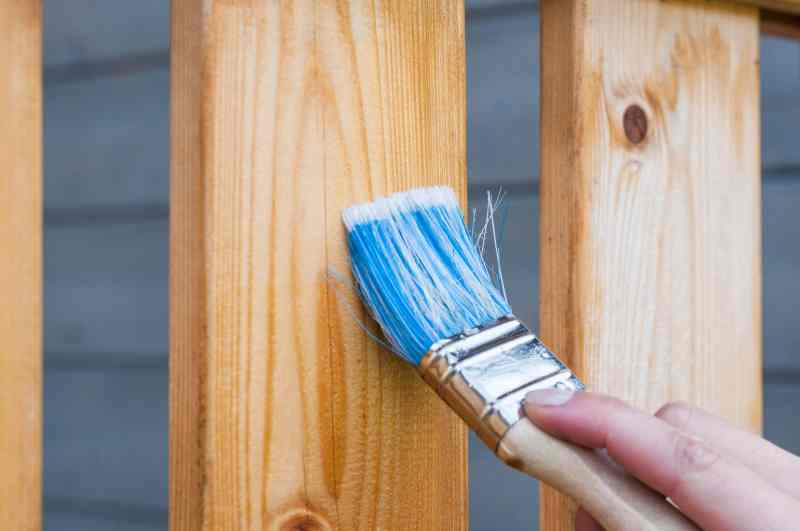
Painting homes is one of the most accessible trades to enter—and one of the most profitable for solo operators or small crews. Whether interior or exterior, residential painting is always in demand, especially in growing neighborhoods or older communities needing touch-ups. If you enjoy working with your hands and transforming spaces, a painting business could be a smart and enjoyable career move.
Is Painting an Enjoyable Business?
Yes—many painters enjoy the work because it’s physical, creative, and satisfying. You get to see the results of your labor immediately, and most projects are completed in a day or two, giving you a sense of accomplishment. Working indoors in comfortable homes or outdoors in the fresh air can also be a plus.
However, the job can be physically demanding—especially on ladders or in awkward spaces—and repetitive. But if you like a steady rhythm, working independently, and seeing a finished product, painting can be very enjoyable.
How Hard Is It to Get Started?
Starting a painting business is one of the easiest ways to break into skilled trades. There’s no formal education required, and licensing is often minimal or optional, depending on your location. You can start solo with a few hundred dollars in tools and grow from there.
Some states or municipalities require a contractor’s license for certain types of jobs, especially for large-scale exterior work, so always check local regulations.
How to Learn House Painting
You don’t need formal training, but skill and attention to detail are essential. Here’s how to learn:
- Online tutorials and courses: YouTube, Skillshare, and Udemy offer great content on interior and exterior painting.
- Work for an established painter: Even a few months of experience can teach you industry best practices.
- Home improvement stores: Some offer free workshops or guides.
- Practice: Start with small personal or family projects to build skill and confidence.
Learn surface prep, taping, edging, cutting in, rolling, paint types, and cleanup.
Tools Needed and Estimated Costs
You don’t need much to get started, and most tools are affordable. Here’s a basic list:
Basic Painting Tools:
- Paint brushes (angled and straight): $30–$60
- Paint rollers and frames: $30
- Paint trays and liners: $15
- Drop cloths: $20–$50
- Painter’s tape: $10–$30
- Extension pole for rollers: $20–$40
- Step ladder: $100
- Scrapers, putty knives, sanding blocks: $50
- Caulking gun and caulk: $20
Optional but Helpful:
- Airless paint sprayer: $300–$800
- Ladder stabilizers or scaffolding: $200+
- Vehicle for hauling gear and paint: $3,000–$10,000 used
- Work clothes, respirator mask, gloves: $50–$100
Estimated Startup Cost:
- Solo setup (basic interior painting): $300–$1,000
- Expanded setup with sprayer and ladders: $1,500–$5,000+
How to Get Customers
Residential painting is competitive, but it’s easy to stand out with professionalism and clean work. Here’s how to find your first jobs:
- Family and friends: Offer affordable jobs to build your portfolio.
- Flyers and yard signs: Leave them in neighborhoods you’ve worked in.
- Online platforms: Use Thumbtack, TaskRabbit, Facebook Marketplace, and Craigslist.
- Local SEO: Set up a Google Business Profile with photos and reviews.
- Homeowner referral networks: Ask every happy client for referrals and offer referral discounts.
Professionalism, responsiveness, and clean finishes go a long way in winning repeat business.
What to Charge Per Job
Rates vary by region and job type (interior vs. exterior), but here are some general guidelines:
Pricing Examples:
- Interior room (12×12): $200–$500
- Full house interior (1,500 sq ft): $1,500–$4,000
- Exterior repaint (1,500 sq ft): $2,000–$6,000
- Hourly rate (solo painter): $25–$60/hour
- Day rate (solo painter): $200–$500/day
Charge more for detailed prep, trim, high ceilings, or textured walls. Estimate paint cost (usually $25–$50/gallon) separately or include it in your quote.
Estimated Yearly Income
A painting business can be highly profitable, especially if you keep costs low and stay booked.
Typical Annual Income:
- Part-time solo painter: $25,000–$50,000
- Full-time solo painter: $50,000–$90,000
- Two- to three-person crew: $100,000–$250,000+
- Profit margins: Around 30%–50% after materials and overhead
You can increase income by:
- Offering staining, drywall repair, or wallpaper removal
- Specializing in high-end finishes or cabinet painting
- Focusing on real estate agents or landlords with repeat work
Final Thoughts
A painting business is a low-barrier, high-potential opportunity for anyone who enjoys working with their hands and has an eye for detail. With minimal startup costs and consistent demand in nearly every town, it’s a business that can start small and grow quickly with the right skills and service.